How to Fix Scale Build Up on your Hot Tub


Article TLDR:
-
Scale is calcium and mineral deposits: chalky, white, or grey buildup on the shell, waterline, jets, and inside equipment.
-
If your hot tub surface feels gritty or rough like sandpaper, scale is a likely cause.
-
The root causes are high calcium hardness, high pH, and high alkalinity — usually in combination.
-
Light scale can be removed with a spa-safe cleaner or white vinegar. Heavy buildup requires draining first.
-
Don't use abrasive scrubbers or household cleaners as they damage the shell.
-
Spa Protector used weekly helps prevent scale from forming by keeping minerals controlled.
If your hot tub has white or grey chalky deposits on the shell, around the jets, or at the waterline — or if the surface just feels rough or gritty when you run your hand along it — you're dealing with scale. Scale is one of the most common hot tub problems and it gets worse the longer it's left. This guide covers what causes it, how to remove it, and how to keep it from coming back.
What Causes Scale in a Hot Tub?
Scale forms when calcium and other dissolved minerals in the water precipitate out of solution and stick to surfaces. It happens when the water becomes oversaturated with minerals — usually because of high calcium hardness, elevated pH, or high alkalinity, often in combination.
Calcium hardness is the amount of dissolved calcium in the water. The ideal range for a hot tub is 150-250 ppm. Above that range, scale risk increases, especially when pH or alkalinity is also high and the water is heated.
pH affects how readily calcium precipitates. At higher pH levels (above 7.8), calcium is more likely to fall out of solution and form scale. The ideal pH for a hot tub is 7.2–7.8.
Total alkalinity acts as a buffer for pH. When alkalinity is high, it's harder to bring pH down and easier for pH to drift upward, creating the conditions scale needs to form. Target 80–120 ppm.
Heat increases scale risk. Hot tub temperatures—often around 100–104°F—make calcium carbonate more likely to precipitate when the water is already scale-forming, which is why balanced chemistry is especially important in a spa.
Hard water areas present a particular challenge. Hard water typically refers to source water with calcium hardness above 250 ppm — if that's what's coming out of your tap, you're starting every fill with elevated calcium hardness before any chemicals are added. A hose filter designed to reduce hardness or minerals can help lower the mineral load when filling.
How to Identify Scale
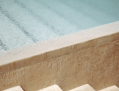
Scale appears as white, grey, or off-white deposits, typically at the waterline, around the jets, and on the shell. It can look chalky, flaky, or crusty. In early stages it may just feel rough or gritty to the touch before it's visible.
If your hot tub surface has developed a rough, sandpaper-like feel, scale is a likely cause—especially if you also see white, gray, or chalky deposits. It builds up gradually, and what starts as a faint roughness will become visible deposits if left untreated.
Scale inside the filter is less visible but just as damaging as it reduces filtration efficiency and shortens filter life.
How to Remove Scale from a Hot Tub
Light to Moderate Scale (No Drain Required)
For early-stage scale that hasn't built up heavily, you can treat it without draining the tub.
On the shell and waterline:
-
Use a spa-safe surface cleaner or scale remover applied to a soft cloth or sponge. Most hot tub brands sell surface cleaners designed for their shell material.
-
Diluted white vinegar can help remove light calcium deposits. Check your spa manufacturer's cleaning instructions first, then apply it with a soft cloth or sponge and rinse thoroughly.
-
Work gently — don't use steel wool, abrasive scrubbing pads, or household bathroom cleaners like bleach or Ajax. These can scratch or discolor the shell.
On the jets:
-
Scale inside jets is harder to reach. A jet cleaning tool or old toothbrush with a spa-safe cleaner helps. For buildup inside the plumbing, use a spa plumbing cleaner specifically labeled for mineral or scale removal, following the product instructions.
After surface treatment:
-
Test and rebalance your water chemistry — scale forms because something is out of range, and treating the surface without addressing the chemistry means it will return.
-
Clean or rinse the filter — loosened mineral particles will end up in the filtration system.
Heavy Scale (Drain Required)
If scale is thick, widespread, or has built up over multiple seasons, drain the tub first.
-
Treat the plumbing. Before draining, run a spa plumbing cleaner labeled for mineral or scale removal through the jets according to the product instructions.
-
Drain the tub completely.
-
Clean the shell with a spa-safe surface cleaner or white vinegar while the tub is empty — you'll have much better access than when it's full.
-
Rinse the shell thoroughly before refilling.
-
Clean or replace the filter.
-
Refill and rebalance water chemistry — adjust calcium hardness, pH, and alkalinity to their target ranges before using.
How to Prevent Hot Tub Scale
Scale is a chemistry problem first and a cleaning problem second. Keeping the water balanced is the most effective prevention.
Test weekly. Test pH and sanitizer levels weekly, and test calcium hardness and alkalinity at least monthly — more often if you're in a hard water area or top up the water frequently. The target ranges to keep in mind:
|
Parameter |
Target Range |
|
pH |
7.2–7.8 |
|
Total Alkalinity |
80–120 ppm |
|
Calcium Hardness |
150–250 ppm |
Balance alkalinity and pH, then check calcium hardness. Bring total alkalinity into range first, then adjust pH. Once those are stable, check calcium hardness and address it if it's outside your spa manufacturer's recommended range.
Use a hose filter when filling. If your tap water is high in calcium, consider a hose filter designed to reduce hardness or calcium when filling. This is especially worth doing if you're in a hard water area and find yourself constantly battling elevated calcium hardness.
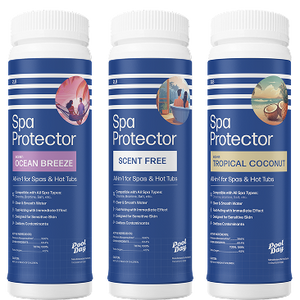
Use Spa Protector weekly. Spa Protector includes stain and scale inhibitors that help keep minerals controlled and prevent them from depositing on surfaces. Used regularly alongside your sanitizer, it handles the ongoing mineral management that keeps scale from forming in the first place.
Clean the filter regularly. A clean filter maintains proper water flow and captures suspended debris more effectively. Rinse the filter every 2–4 weeks and replace it according to the manufacturer's schedule.
Drain and refill on a regular schedule. Many hot tubs need fresh water roughly every 3–4 months, but follow your manufacturer's guidance. Dissolved solids and minerals build up over time in ways that can't be managed with chemicals alone. A regular drain and refill schedule keeps the baseline mineral content of your water in check.
Summary and Key Takeaways
-
Scale is caused by high calcium hardness, elevated pH, and high alkalinity — usually in combination, and worsened by heat.
-
If your hot tub feels gritty or rough, early-stage scale may be the cause.
-
Light scale: clean with a spa-safe product or white vinegar, then rebalance the water.
-
Heavy scale: drain, scrub, refill, and rebalance before using.
-
Don't use abrasive tools or household cleaners on the shell.
-
Test weekly and keep pH, alkalinity, and calcium hardness in range — this is the foundation of scale prevention.
-
Spa Protector used weekly helps prevent scale by keeping minerals controlled between water changes.